

We know that businesses often benefit from exploring office space for lease that are close to where they operate. Local properties can offer convenience, familiarity with the surrounding area, and opportunities to support business growth. For many small businesses, starting with a space that meets current needs while allowing room for future expansion can be a practical approach.
For businesses searching for "office space near me," it’s essential to follow a clear process. Start by aligning your operational needs with your budget and determining how much space your business requires. Understanding the available options and conducting a thorough search can help you find an office that meets both your functional requirements and your budget.
Below is a step-by-step guide to finding office space that fits your needs, budget, and preferred location.
1. Define Your Space Needs
Every business is different. Even companies in the same industry may have different space requirements. For instance, established organizations may have a larger workforce that requires more square footage, while startups and small businesses may need a smaller footprint.
The first step is to define your team's space requirements. This will help determine the type of office that best supports your operations. The space should comfortably accommodate your team without being too large or too limited. You should also consider the office layout based on how your business operates.
2. Create A Budget
Establishing a budget before beginning your search can help narrow your options. Your budget should reflect the maximum amount your business can comfortably spend on office space while remaining financially sustainable.
The budget should account for more than just base rent. Although exact costs may vary, estimating expenses such as utilities, operating costs, and other recurring fees can help you better understand your total occupancy costs.
3. Know The Different Office Types Available
Businesses can choose from several different types of office space depending on their operational needs, desired layout, and lease flexibility. Common options include:
Traditional Office Space
Established businesses often choose traditional office space in multi-tenant buildings, business parks, or high-rise properties. These offices typically include private workspaces, reception areas, and conference rooms.
Coworking Spaces
Coworking spaces provide flexible shared work environments, ranging from open hot desks to dedicated private offices. Many offer month-to-month or annual membership options.
Executive Suites (Serviced Offices)
Executive suites provide fully furnished and professionally managed office space, often with shared amenities such as reception services, conference rooms, and break areas.
Creative Office Space
Creative office spaces typically feature open floor plans and collaborative work environments. They are popular among businesses in industries such as technology, media, and design.
4. Explore The Neighboring Area
Before expanding your search online, consider exploring nearby office space options. Recommendations from business contacts or other local professionals may help identify shared or serviced office spaces that fit your current needs. As your business grows, you can always transition to a larger space if needed.
5. Search Online
Online commercial real estate platforms provide access to a wide range of available office spaces. Many include advanced search filters that allow you to narrow results by location, budget, size, and amenities. Enter your preferred location and required features to identify properties that best match your needs.
6. Know About The Amenities And Services Available
Available amenities and building services are important considerations when leasing office space. Look for essential infrastructure and features that support employee productivity. Important amenities include high-speed fiber-optic internet, 24/7 secure building access, reliable HVAC systems, operable windows, and ample on-site parking. Also evaluate on-site property management, mail handling, and other support services that contribute to day-to-day operations.
7. Understand And Negotiate The Lease
Leasing office space is a significant financial commitment. Take time to review the lease agreement carefully and understand all terms before signing. When appropriate, negotiate lease provisions that align with your business needs. Key items to review include:
Permitted Use
Operating Expenses & CAM
Base Building Services & Hours
Leasehold Improvements (Build-outs)
Assignment & Subletting
Renewal Options
Default & Dispute Resolution
8. Make An Informed Final Decision
It’s easy to focus on an attractive lease rate and overlook important details. Before making a final decision, carefully review the lease, compare multiple properties, and gather input from your team. Choose the office space that best aligns with your operational, financial, and long-term business goals.
Riverview Innovation Center - A Premier Multi-Purpose Facility To Lease Office Space
At Riverview Innovation Center, we understand that searching for office space involves evaluating many important factors. Taking a structured approach can help simplify the process and support a more informed leasing decision. The information above outlines key steps to help businesses find office space that aligns with their needs and budget.
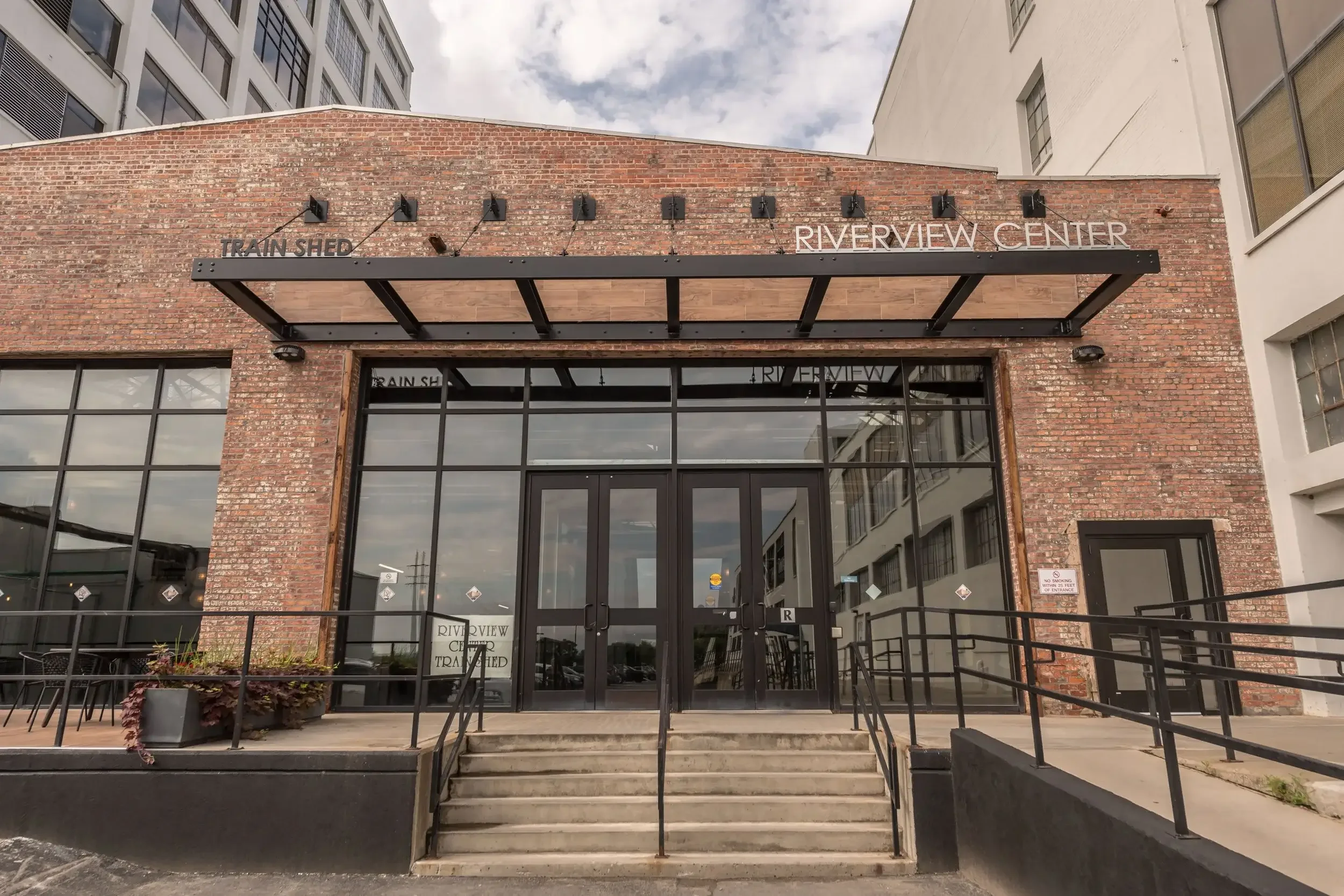
Businesses seeking modern office space can choose Riverview Innovation Center. Located in the Village of Menands, our premier mixed-use campus spans approximately 23 acres. In addition to modern workplace amenities, the property features free yoga classes, a 176-yard walking track, a mini golf course, a library, a tranquil fountain area, and more. Contact us today to learn more about available office space and leasing opportunities.